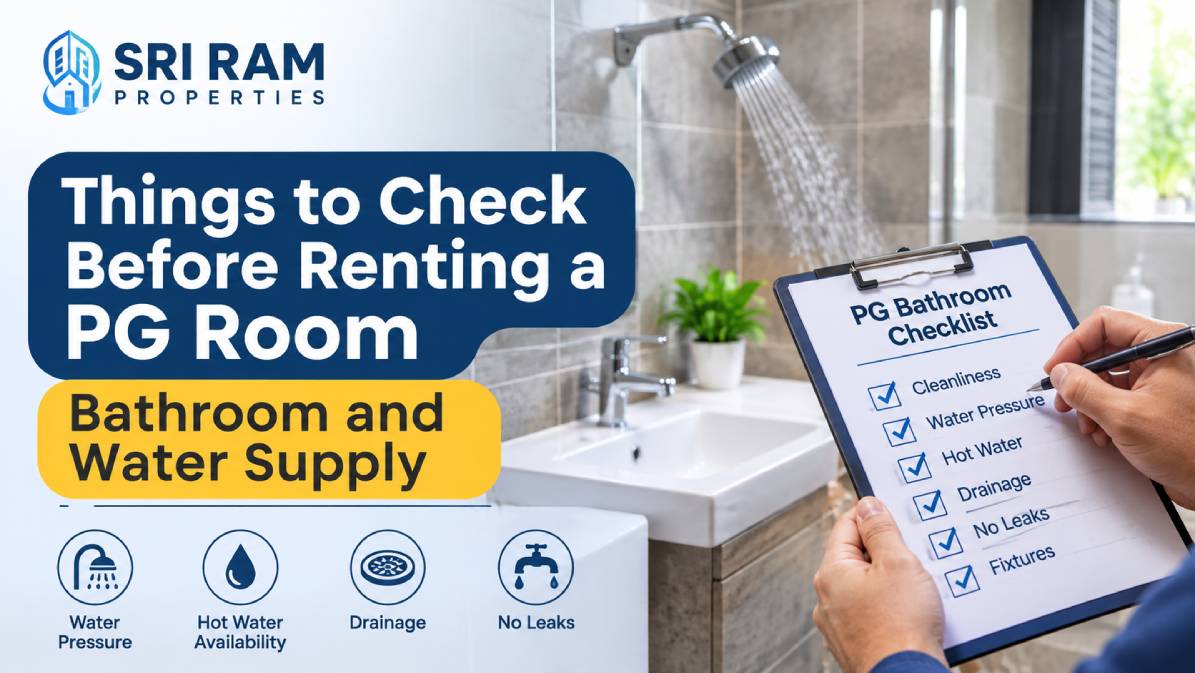
A PG room may look comfortable during a property visit, but everyday problems with bathroom facilities and water supply can affect your stay. Low water pressure, blocked drains, leaking taps and irregular hot water can quickly become inconvenient, especially when you have to get ready for work or college.
Knowing the things to check before renting a PG room helps you identify these issues before paying a deposit. Instead of checking only the bedroom, inspect the bathroom, test the water fixtures and ask management about maintenance arrangements.
This guide provides a practical bathroom and water supply checklist for students and working professionals comparing PG accommodation in Marathahalli, Bengaluru.
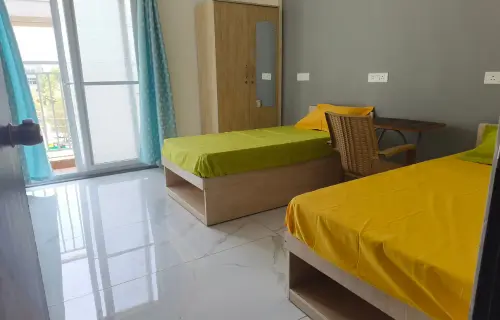
Things to Check Before Renting a PG Room: Bathroom and Water Supply
Check whether the bathroom is attached or shared, inspect its cleanliness, test taps and showers, flush the toilet, and observe how quickly water drains. Ask about daily water availability, hot-water timings, storage-tank cleaning and plumbing maintenance. Photograph existing damage and report problems to management before confirming your booking.
1. Check Bathroom Cleanliness and Overall Condition
A clean bathroom is important for everyday comfort and personal hygiene. During your visit, inspect the floor, walls, toilet, washbasin, shower area and corners instead of relying only on the bathroom’s overall appearance. Look for stains, mould, unpleasant smells and signs of poor maintenance.
Use this checklist:
- Are the floor and tiles clean?
- Is the toilet properly cleaned?
- Does the washbasin have visible stains or cracks?
- Are there signs of mould around corners or ceilings?
- Is the bathroom free from unpleasant smells?
- Are the mirror, taps and other fittings maintained?
Also check whether the bathroom is attached to your room or shared with other residents. If it is shared, ask how many people use it and how frequently housekeeping cleans it.
A well-maintained bathroom should have a clear cleaning routine and a process for reporting hygiene or maintenance issues.
2. Test Water Pressure in Taps and Showers
Water pressure affects how easily you can bathe, wash your face and complete everyday bathroom activities. A tap or shower may look functional but still provide insufficient water. Turn on the fixtures during your visit to check whether the water flow is steady.
Test the following:
- Washbasin tap
- Shower
- Bucket-filling tap
- Health faucet or jet spray
- Other available bathroom water outlets
Observe whether the flow is consistent or weak. Check whether water pressure drops when more than one fixture is being used, if this can be tested.
For example, a shower with weak pressure may make bathing inconvenient during busy mornings. Ask management whether pressure problems occur regularly and how they are handled.
Do not assume that water pressure will remain the same throughout the day. If possible, visit during a typical morning or evening usage period.
3. Check Hot Water Availability and Heating Arrangements
Hot water can be particularly important during colder mornings or after a long working day. However, PG properties may have different heating systems and usage schedules. Confirm the arrangement for your specific room rather than assuming hot water is available throughout the day.
Ask management:
- Is hot water available every day?
- Is it available throughout the day or during fixed hours?
- Does the bathroom have an individual heater or a shared system?
- How long does the water take to heat?
- Are there additional charges for hot water?
- Who handles heater repairs?
If possible, test the hot-water tap or shower during your visit. Also inspect the heater and visible connections for signs of damage.
If you follow a fixed office schedule, check whether the hot-water timings suit your morning routine.
4. Inspect Bathroom Drainage and Floor Slope
A bathroom with poor drainage can develop standing water, unpleasant smells and recurring cleaning problems. Testing the drainage during your visit helps you identify possible blockages before moving in.
Check these areas:
- Does water flow towards the floor drain?
- Does water collect around the shower area?
- Is the drain covered properly?
- Are there unpleasant smells near the drain?
- Is the floor free from visible cracks?
- Does water drain without overflowing?
If permitted, run some water near the shower area and observe how quickly it disappears. Avoid pouring excessive water or disturbing any fittings.
Standing water after normal use may indicate a drainage or floor-slope problem. Ask management whether the bathroom has experienced recurring blockages and who is responsible for resolving them.
5. Look for Leaking Taps, Pipes and Damp Walls
Small leaks can become bigger maintenance problems if they are ignored. During a room visit, inspect visible plumbing connections, taps, shower fittings and the areas below the washbasin. Look for water stains, damp patches, peeling paint and unusual moisture.
Pay attention to:
- Dripping taps
- Loose shower connections
- Leakage below the washbasin
- Wet patches near pipes
- Damp bathroom walls
- Cracks around fittings
- Water stains on ceilings, where visible
Also check whether the bathroom door, walls and nearby flooring show signs of repeated water exposure.
If you notice any issue, photograph it and inform management. Ask when it will be repaired and request confirmation before moving in.
6. Check Toilet Flush, Jet Spray and Other Fittings
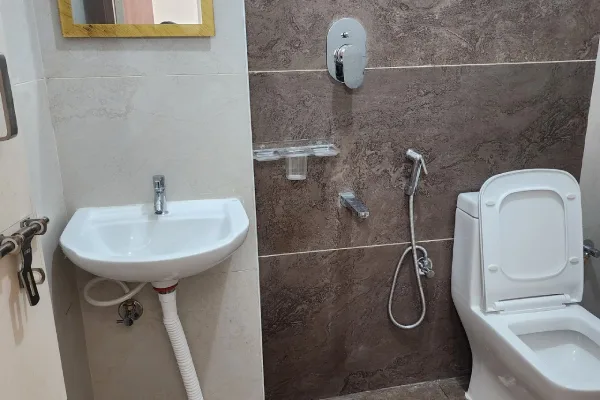
Bathroom fittings should work properly because they are used several times every day. Do not limit your inspection to taps and showers. Test the toilet flush, jet spray, washbasin drainage and door lock to ensure everything is functional.
Use this quick inspection list:
Fixture | What to inspect |
Toilet flush | Proper flushing without continuous water flow |
Jet spray | Working trigger and adequate water flow |
Washbasin | Functional tap and clear drainage |
Shower | Consistent water flow |
Bathroom door | Working lock and secure closing |
Mirror and shelves | Stable and usable fittings |
Exhaust fan or window | Proper ventilation |
If a fitting is damaged or missing, ask whether management will repair or replace it before your move-in date.
7. Ask About Daily Water Supply and Storage
A bathroom can have good fittings but still be inconvenient if water supply is irregular. Ask how the property receives and stores water, whether supply is continuous and what happens during interruptions.
Important questions include:
- Is water available throughout the day?
- Are there fixed water-supply hours?
- Does the building use overhead or underground storage tanks?
- Is there an alternative arrangement during supply interruptions?
- How frequently are storage tanks cleaned?
- Who should residents contact when water is unavailable?
Also distinguish between bathroom water and drinking water arrangements. If the property provides purified drinking water, ask how the purifier is maintained and whether filter servicing is scheduled.
The World Health Organization explains the importance of safe, accessible and continuous water for personal and domestic use. Read its guidance on water, sanitation and hygiene in India.
8. Check Bathroom Ventilation and Privacy
Good ventilation helps reduce moisture, condensation and unpleasant smells. Privacy is equally important, particularly when bathrooms are shared. Inspect the bathroom window, exhaust fan, door, latch and available ventilation openings.
Check whether:
- The exhaust fan works, if installed.
- A window or ventilation opening is available.
- The bathroom door closes securely.
- The door lock works properly.
- There are no visible gaps that compromise privacy.
- Lighting is sufficient for regular use.
If the bathroom has no window, ask whether mechanical ventilation is provided and maintained.
Also check whether towel hooks, shelves and other basic fittings are available. These small details can make everyday use more convenient.
9. Understand Housekeeping and Plumbing Complaint Procedures
Even a well-maintained bathroom may occasionally develop a plumbing issue. What matters is whether the property has a clear process for reporting and resolving problems. Ask who handles cleaning, repairs and emergency water-supply complaints.
Clarify:
- How frequently are bathrooms cleaned?
- Are shared bathrooms cleaned daily?
- Who should you contact for leaking taps or blocked drains?
- How are urgent water-supply problems handled?
- Are residents charged for ordinary plumbing repairs?
- How can you report recurring maintenance issues?
Before paying a deposit, understand which maintenance responsibilities belong to management and which belong to residents.
For a broader move-in inspection, you can also refer to this PG booking and room inspection guide.
10. Bathroom and Water Supply Checklist for Sri Ram PG Colive
Sri Ram PG Colive is located in Marathahalli, Bengaluru. Its official website lists water, a water purifier, housekeeping and a heat pump among its facilities. These are useful features to ask about when evaluating accommodation, but you should confirm the exact arrangements for your selected room.
During your property visit, ask the management:
- Is the bathroom attached or shared in the room category I am considering?
- What are the daily water-supply arrangements?
- What are the hot-water availability timings?
- How frequently are bathroom and storage-tank cleaning carried out?
- Who handles plumbing complaints and how are urgent issues reported?
- Are water purifier maintenance and filter replacement included?
If you are comparing the best co-live pg in marathahalli, inspect the actual bathroom rather than relying only on photographs or amenity lists. Test the fixtures, ask about maintenance and confirm important arrangements before making a payment.
You can explore Sri Ram PG Colive accommodation options and contact the management for current room availability and facility details.
FAQs
1. What are the most important things to check before renting a PG room?
Inspect bathroom cleanliness, water pressure, drainage, toilet flush, hot-water availability, ventilation, room condition and water-supply timings. Also ask about housekeeping and plumbing maintenance.
2. How can I check water pressure in a PG bathroom?
Turn on the taps and shower during your visit. Observe whether the flow is steady and whether pressure drops when multiple fixtures are being used, if this can be tested.
3. What questions should I ask about hot water in a PG?
Ask whether hot water is available daily, whether there are fixed timings, what heating system is used and who handles repairs if it stops working.
4. How do I identify bathroom leakage before moving into a PG?
Look for dripping taps, wet patches near pipes, damp walls, peeling paint and water stains. Check below the washbasin and around visible plumbing connections.
5. Does Sri Ram PG Colive provide water and housekeeping facilities?
Sri Ram PG Colive’s official website lists water, a water purifier and housekeeping among its facilities. Contact the management to confirm the current arrangements, cleaning frequency and availability for your selected room.
Conclusion
Bathroom condition and water supply should be part of every PG property inspection. Check cleanliness, water pressure, hot-water arrangements, drainage, toilet fittings, ventilation and visible plumbing connections before confirming your stay.
Use this checklist to identify possible maintenance concerns and ask management for clear answers. If you are considering Sri Ram PG Colive in Marathahalli, visit the property, inspect the actual bathroom and confirm water-supply arrangements before paying your deposit.